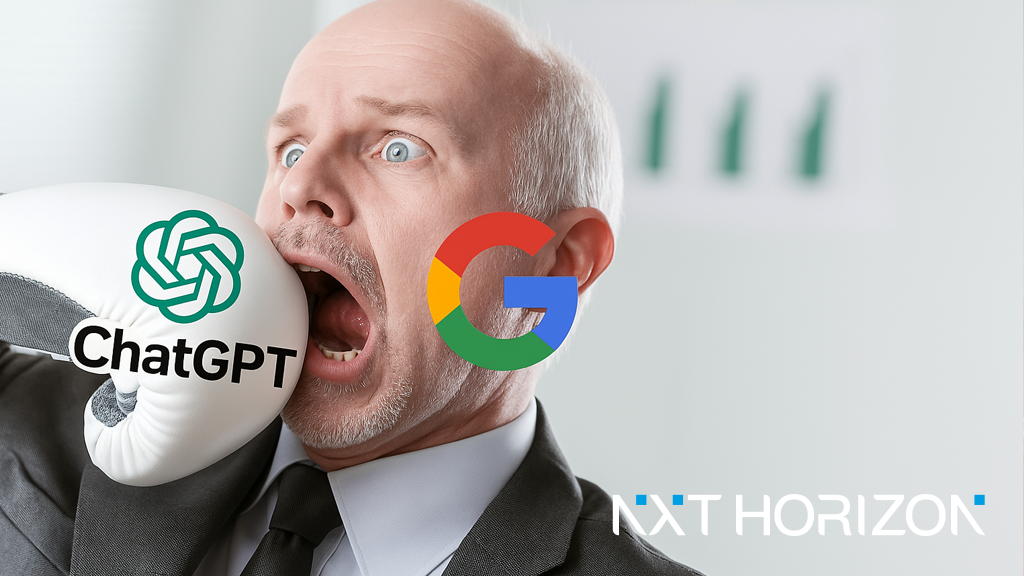
Google vs. LLMs: The Key to Ranking in Today’s Search Landscape
In today’s world, whether you’re searching for answers on Google or interacting with advanced LLMs like ChatGPT, one thing remains the same: the answers you get come from the vast pool of information available on the internet. But as the search landscape continues to evolve with the rise of Generative AI, it’s important to understand how Google and LLMs like ChatGPT function differently—and what that means for content creation.
Google vs. LLMs: Different Paths, Same Goal
Google has long been the go-to for online searches, using machine learning models and algorithms to rank content based on things like keywords, backlinks, and page relevance. It crawls through data sets to match search queries with pages that are most likely to provide the best answers. Whether you’re using tools like SEMrush, Moz, or Ahrefs, Google is primarily focused on ranking pages based on traditional SEO factors.
On the other hand, LLMs like ChatGPT take a different approach. Powered by transformer models and artificial neural networks, LLMs process massive training data sets to generate answers. They don’t just rely on keywords or backlinks; instead, they focus on understanding and generating text that is contextually rich and answers questions in a conversational manner. In this sense, LLMs are optimized to respond to natural language queries and provide generated text that feels intuitive and human-like.
Both systems—whether through Google’s SEO algorithms or LLMs’ conversational responses—are focused on one thing: helping users find answers that meet their needs and expectations. The method may differ, but the objective remains the same: to ensure that users leave with the information they were looking for.
Why Content Still Rules the Search Game
So it is obvious, whether it’s Google or LLMs, the key is creating high-quality content. Google’s SEO model prioritizes content that is relevant to search queries and optimized for both humans and machine learning models. LLMs, however, focus on content that is coherent, comprehensive, and answers questions effectively. For both, content needs to be structured well and include relevant information that answers the user’s intent.
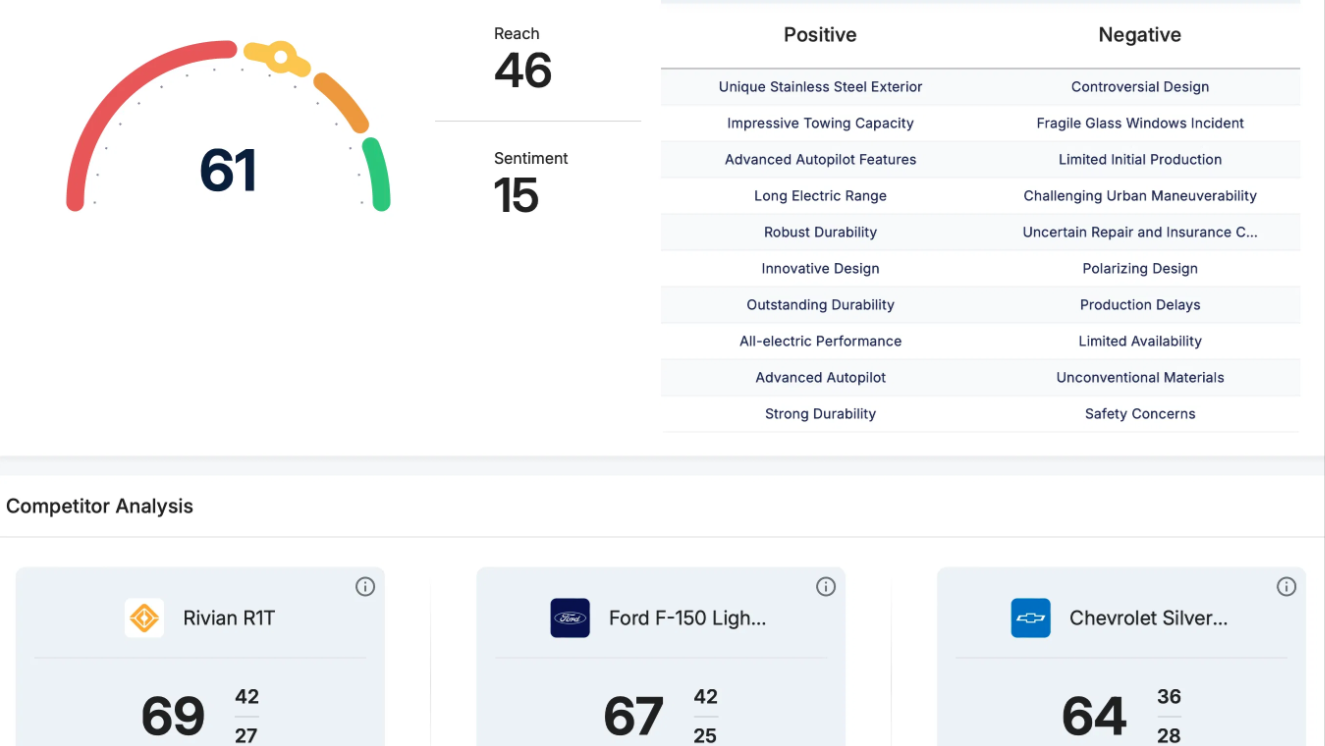
In the world of natural language processing (NLP), LLMs process content differently than traditional search engines. While Google focuses on ranking based on SEO factors like backlink authority and site structure, LLMs prioritize content clarity and relevance, with a particular focus on sentiment analysis and understanding user intent. Revere is a platform that can assist in fine-tuning content for AI models, ensuring that the content generated is contextually rich, highly engaging, and optimized for LLMs.
How to Make Content Work for Both Google and LLMs
To make content work for both Google and LLMs, you need a hybrid approach. For Google, this means traditional SEO practices: optimizing for keywords, ensuring mobile-friendliness, improving page load speed, and using tools like SEMrush, Moz, and Ahrefs to monitor performance. LLMs, however, require a different approach—focusing on clear, human-friendly content that is informative and easy to understand.
For LLMs, the focus is on training data, content quality, and coherence. Revere helps fine-tune content, ensuring it resonates with AI systems by optimizing for clarity, context, and relevance. While you can’t directly control how an AI model is trained, you can optimize your content to meet the needs of both Google and LLMs, ensuring it’s comprehensive and structured properly for both traditional search engines and AI-driven systems.
Conclusion: The Path Forward
In today’s fast-evolving digital landscape, whether you’re optimizing for Google or AI tools like LLMs, the key to success is simple: create useful, high-quality content. Both systems prioritize delivering the best answers to users, and the content that resonates with them is what will ultimately stand out.
The goal remains the same across all platforms: providing value to your audience through content that answers their questions and meets their needs. Whether it’s through SEO optimization for Google or AI-powered insights, focusing on delivering helpful and relevant information is the foundation of any successful strategy.
At NXT Horizon, we create content that’s always focused on your customers, balancing both traditional platforms and the latest digital tools. We ensure our strategies are tailored to your audience’s needs, helping you connect with them effectively and achieve the results you want. Whether it’s optimizing for search engines or leveraging new tools, our goal is to create content that truly speaks to your customers and delivers real impact.